
Why Annual Eye Exams Matter Even If Your Vision Seems Fine
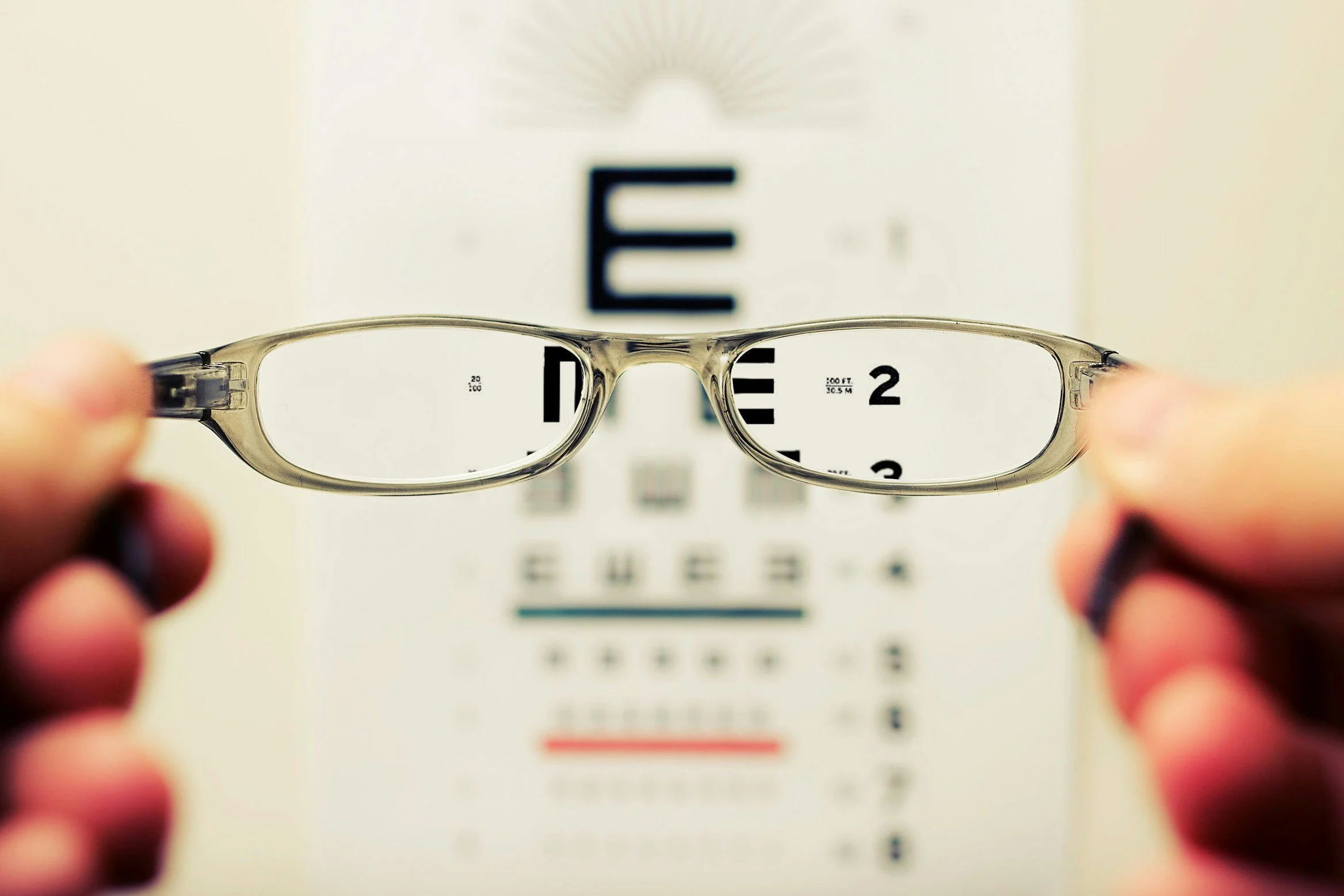
Protecting Your Vision Starts Before You Notice a Problem
If you can see clearly, it’s easy to assume your eyes are healthy. The truth is, many eye conditions develop slowly and without noticeable symptoms. By the time changes in your vision become apparent, permanent damage may have already occurred.
That’s why annual comprehensive eye exams are one of the most important steps you can take to protect your vision and your overall health.
At Infocus Eye Care, we believe preventive care is the key to maintaining healthy eyes for years to come.
Good Vision Doesn't Always Mean Healthy Eyes
Many people associate an eye exam with getting a new glasses prescription, but a comprehensive eye exam is about much more than how well you can read the eye chart.
During your exam, your ophthalmologist or eye care provider evaluates the health of your entire eye, looking for early signs of disease that may not affect your vision right away.
Eye Diseases Often Have No Early Symptoms
Several serious eye conditions can develop without pain or noticeable vision changes, including:
Macular degeneration
Diabetic eye disease
Retinal tears or detachments
Cataracts
These conditions are often easier to manage when they are detected early. Routine eye exams allow your provider to monitor for subtle changes before they begin affecting your sight.
Your Eyes Can Reveal Signs of Other Health Conditions
A comprehensive eye exam can also provide important information about your overall health.
Changes inside the eye may be among the first signs of conditions such as:
Diabetes
High blood pressure
High cholesterol
Autoimmune diseases
Certain neurological conditions
Because the retina contains tiny blood vessels and nerve tissue that can be viewed directly, eye exams can sometimes identify health concerns before other symptoms appear.
Digital Screens Are Taking a Toll on Our Eyes
Many adults spend hours each day looking at computers, tablets, and smartphones. Extended screen time can contribute to:
Eye strain
Dry eyes
Blurry vision
Headaches
Difficulty focusing
An annual eye exam can help determine whether these symptoms are related to your vision, dry eye disease, or another underlying issue and provide recommendations to improve your comfort.
Vision Changes Can Be Gradual
Because vision often changes slowly, many people don't realize how much their eyesight has declined until after they receive an updated prescription.
Routine eye exams help ensure you're seeing as clearly and comfortably as possible for work, driving, reading, and everyday activities.
How Often Should You Have an Eye Exam?
The frequency of eye exams depends on your age, medical history, and overall eye health.
Many adults benefit from a comprehensive eye exam every year, especially if they:
Are over age 60
Have diabetes or high blood pressure
Have a family history of eye disease
Notice changes in their vision or eye comfort
Your provider can recommend an exam schedule that's appropriate for your individual needs.
What to Expect During a Comprehensive Eye Exam
A comprehensive eye exam may include:
Vision testing
Refraction for diagnostic purposes (when appropriate)
Eye pressure measurement
Evaluation of the optic nerve and retina
Assessment of the front surface of the eye
Imaging or additional testing when indicated
These evaluations allow your provider to detect problems early and monitor changes over time.
Invest in Your Long-Term Vision
Your eyesight is something you rely on every day, and protecting it starts with routine preventive care.
Even if your vision seems perfectly fine, an annual eye exam can detect eye diseases in their earliest stages, identify changes before symptoms develop, and help protect your vision for the future.
At Infocus Eye Care, we're committed to providing comprehensive, personalized medical eye care for every stage of life. Whether you're due for your annual exam or have concerns about your vision, our team is here to help you keep your eyes healthy for years to come.